



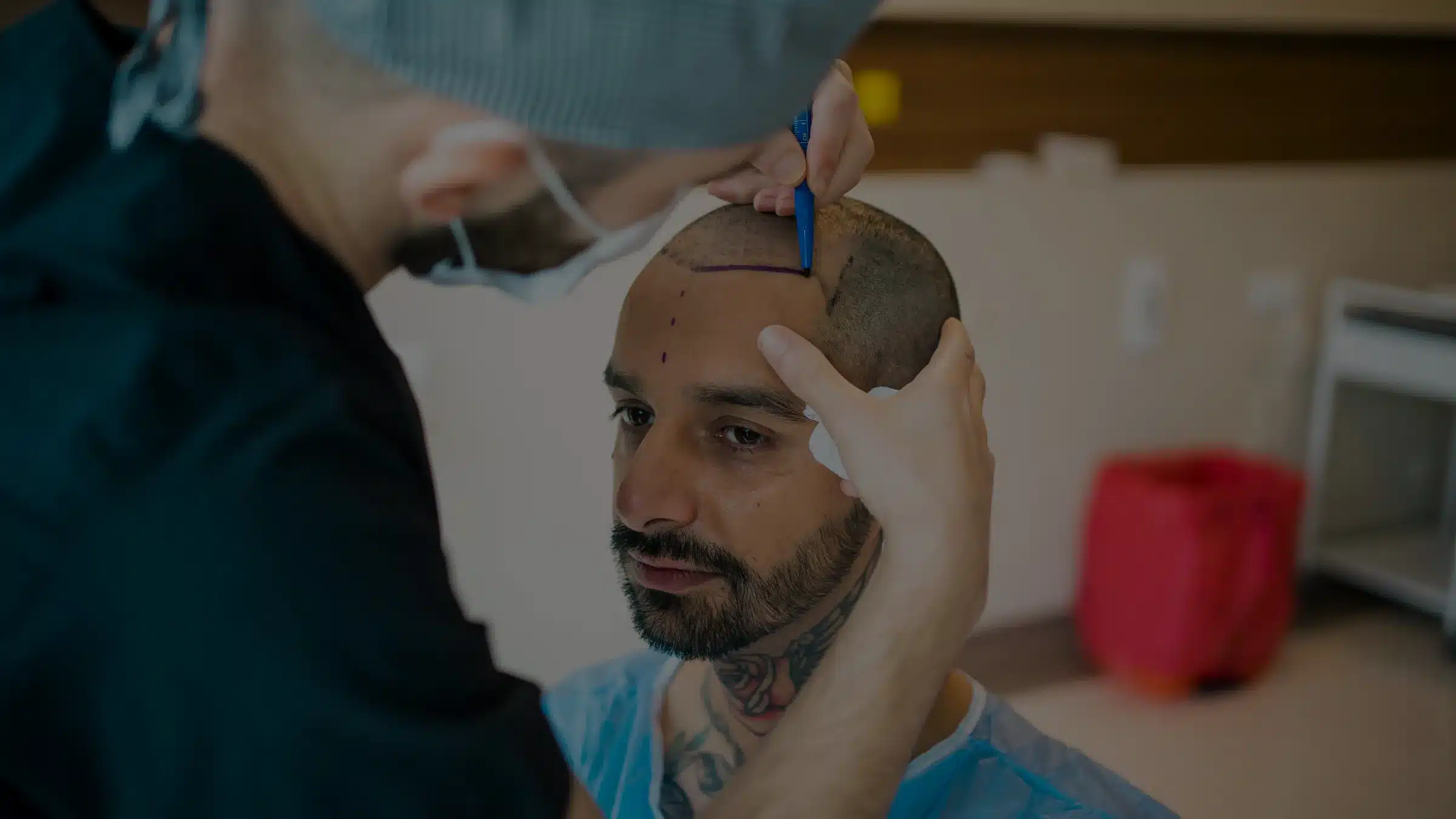

Hair loss can be incredibly frustrating and can affect your confidence, but thanks to medicine and techniques, hair transplant surgeries now offer a long-lasting solution to those experiencing significant balding or thinning. Two popular techniques are Follicular Unit Extraction (FUE) and Follicular Unit Transplantation (FUT). Both methods are effective, but it’s essential to know which one is best-suited for your condition. This depends on several personal factors, from your lifestyle to hair type. If you’ve ever found yourself wondering, “How does hair transplant surgery work?” or felt unsure about which procedure to choose, this article will guide you through the differences, benefits, and considerations of FUE and FUT to help you make an informed decision.
An Introduction to FUE and FUT
Hair transplant surgery is a process that involves relocating healthy hair follicles from one part of your body (usually the back of your scalp) to areas experiencing thinning or baldness. While both FUE and FUT achieve this goal, they differ significantly in how the follicles are harvested.
FUE is a newer method, which involves extracting individual follicular units one by one. This makes the process more time-intensive, but it’s also less invasive.
FUT, on the other hand, is a more traditional method. It involves removing a small strip of scalp from the donor area, then separating it into individual follicular units for transplantation.
How Does Each Method Work?
-
FUE (Follicular Unit Extraction)
During FUE, a surgeon uses a micro-punch tool to harvest individual hair follicles directly from the scalp. The follicles are then implanted into the balding or thinning areas using tiny incisions. Because the extraction is done follicle by follicle, the process can take several hours, depending on how many grafts are needed.
FUE is a popular option among those who want a more convenient and smooth surgical experience, offering benefits such as minimal scarring and a relatively shorter recovery period.
-
FUT (Follicular Unit Transplantation)
FUT involves the surgical removal of a strip of scalp tissue from the back or sides of the head. The strip is then divided under a microscope into tiny follicular units. These units are carefully placed into the recipient area to create a natural hairline and restore volume.
FUT allows for a larger number of grafts in a single session and is often recommended for patients with extensive and rather noticeable hair loss.
What Are the Key Differences in Technique and Recovery?
When considering how does hair transplant surgery work, the significant difference between FUE and FUT lies in the harvesting technique:
- Scarring: FUE leaves small, dot-like scars that are barely visible and scattered across the donor area. FUT, on the other hand, leaves a linear scar where the strip was removed. This may be noticeable if you wear your hair very short.
- Recovery Time: FUE generally allows for a quicker recovery, and most people can return to regular activities within a few days. FUT might require a longer healing time owing to the invasive nature of the procedure.
- Duration of Procedure: FUE can take longer to perform, especially for large areas of hair loss, while FUT is typically swifter in a single session if a high number of grafts are needed.
- Pain and Discomfort: Both procedures are done under local anaesthesia, but FUT may lead to significant postoperative discomfort due to the sutures required in the donor area.
Benefits and Drawbacks of Each Method
-
Benefits of FUE
- Relatively undetectable scarring
- Swifter recovery period
- Ideal for those who prefer to keep their hair short
- Less invasive, with no stitches required
Drawbacks of FUE
- Can be time-consuming for large procedures
- Slightly more expensive owing to the level of detail involved in the procedure
- Not always suitable for patients with limited donor hair
Benefits of FUT
- More grafts can be harvested in a single session
- Often cost-effective for larger procedures
- May be ideal for those with significant balding or thinning
Drawbacks of FUT
-
- Leaves a linear scar in the donor area
- Longer recovery time
- Not ideal for those who want to keep their hair very short
Understanding these benefits and drawbacks helps clarify how different methods impact outcomes and lifestyle considerations. If you’re still wondering or asking, “How does hair transplant surgery work when it comes to recovery?”—the answer largely depends on how your body will respond to the procedure and your post-care routine. Consulting with a hair transplant surgeon will help you make an informed decision about which procedure to select.
Hair Transplant Surgery by The Clifford Clinic
Now that you’ve got a clear overview of FUE vs FUT, you’re probably feeling more informed and empowered to make a decision that aligns with your goals. Hair restoration has to be done carefully, and selecting the right technique is a vital first step toward achieving lush and healthy hair growth.
If you still have questions, wondering “How does hair transplant surgery work?”, it’s time to speak to a doctor specialising in this area and allow them to lay out all the details for you. For professional and tailored consultations, it’s recommended to speak to a hair transplant surgeon, and this is where The Clifford Clinic enters the picture. As a trusted provider with years of experience and a commitment to patient satisfaction and comfort, our team is here to support you through your hair restoration journey every step of the way.
Schedule a consultation with The Clifford Clinic today!
If you are looking to get any cosmetic treatments done that are reasonably priced, performed by experienced doctors, and most importantly produce natural looking results, then contact us today at (65) 6532 2400 or email us at thecliffordclinic@gmail.com